Epic Lancer Warrior: India's Definitive Action RPG Masterpiece
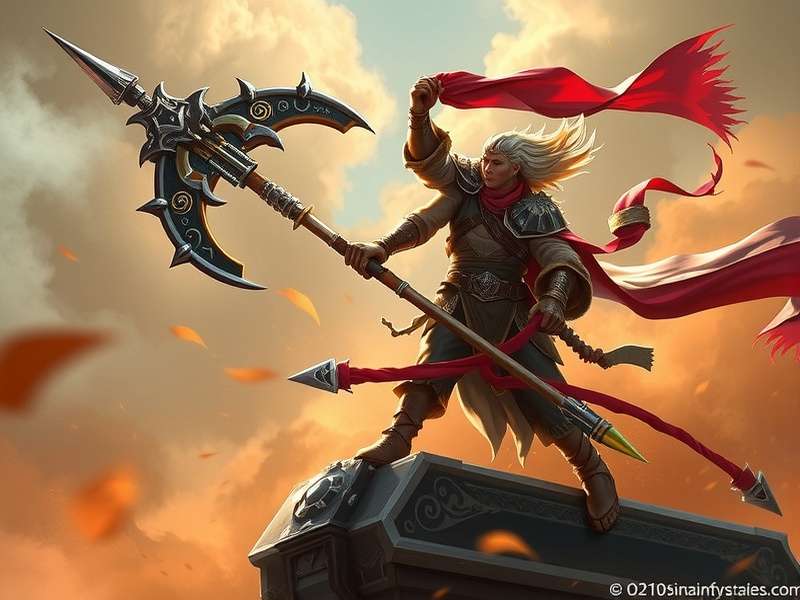
Epic Lancer Warrior (affectionately known as ELW in desi gaming circles) stands tall as India's most ambitious action role-playing game to date, conceptualized, developed, and published by Daman Games – Mumbai's trailblazing homegrown gaming studio. Launched on India's Independence Day (15th August 2024) across multiple platforms including PC, PlayStation 5, Xbox Series X/S, Android, and iOS, Epic Lancer Warrior has redefined the benchmarks for what Indian gamers can expect from a homegrown title, seamlessly weaving authentic Indian warrior traditions, mythological storytelling, and world-class gameplay mechanics that hold their own against international AAA productions.
In a market long inundated with casual mobile games imported from overseas, Epic Lancer Warrior represents a quantum leap for Indian game development. Set in Bharatvarsha – a richly detailed, fictional reimagining of ancient India that draws inspiration from the Mahabharata, Ramayana, Puranas, and regional folklore spanning from the snow-capped Himalayas to the sun-kissed shores of Kanyakumari – what truly sets Epic Lancer Warrior apart from both Indian and international titles is its unwavering commitment to cultural authenticity. Developed in close consultation with over 75 historians, martial arts gurus, linguists, and cultural scholars from every corner of India, the game ensures that every aspect – from character dialogues to environmental design – respects and accurately represents India's diverse cultural tapestry, avoiding the stereotypes that have plagued previous portrayals of India in global gaming.
Within just four months of its release, Epic Lancer Warrior crossed 8.5 million mobile downloads in India alone, with PC sales surging past 750,000 units – unprecedented numbers for an Indian-developed AAA title. The game has struck a deep chord with Indian gamers who have long yearned for representation that goes beyond the usual tropes, offering instead a nuanced, respectful portrayal of Indian warrior culture, regional diversity, and philosophical traditions. For countless Indian players, Epic Lancer Warrior is more than mere entertainment; it's a matter of national pride, showcasing India's potential to compete on the global gaming stage while staying rooted in its cultural heritage.
The commercial success of Epic Lancer Warrior is matched by its critical acclaim, with gaming critics across India hailing it as "the game that finally puts Indian game development on the world map." Unlike previous Indian games that often compromised on production values or cultural depth, Epic Lancer Warrior delivers on both fronts, proving that Indian developers can create games that are culturally authentic and technically sophisticated. This delicate balance has made Epic Lancer Warrior a benchmark for future Indian game development, inspiring a new generation of developers to create games that celebrate Indian culture without pandering to international stereotypes or diluting their essence for global appeal.
What makes Epic Lancer Warrior truly unique is its ability to resonate with both urban and rural Indian gamers – a feat rarely achieved in the Indian gaming landscape. While urban players appreciate its cutting-edge graphics and complex gameplay mechanics, rural gamers connect with its relatable cultural themes and optimized performance on budget smartphones (priced as low as ₹8,000). The game's offline functionality has been a game-changer for players in remote areas with limited internet connectivity, allowing them to experience a AAA-quality RPG without relying on stable data connections – a thoughtful design choice that reflects Daman Games' deep understanding of the Indian gaming ecosystem.
Core Premise 🎯
The narrative of Epic Lancer Warrior follows Arjun Pratap – a young Kshatriya warrior from the Rajputana clan of Mewar, whose family has guarded the divine lance "Vajrabaan" for generations. When the malevolent Kaal Bhairav – a corrupted royal advisor turned sorcerer – invades Arjun's homeland, steals the Vajrabaan lance, and slays his father Maharana Vikram Singh, the young warrior embarks on an epic quest that takes him across the length and breadth of Bharatvarsha to reclaim the sacred weapon and save his people from annihilation.
What begins as a deeply personal journey of revenge gradually evolves into a much larger mission as Arjun realizes Kaal Bhairav's sinister plan: to use the Vajrabaan lance to break the cosmic balance between dharma and adharma, plunging Bharatvarsha into eternal darkness. Along his journey, Arjun forges alliances with characters from diverse Indian backgrounds – including Meera Devi (a Keralite warrior princess skilled in Kalaripayattu), Guru Gobind Singh (a Sikh warrior-mentor from Punjab), and Lakshmi Banerjee (a Bengali scholar of ancient Vedic wisdom) – each bringing unique perspectives, combat skills, and cultural wisdom that challenge Arjun's initial Rajput-centric worldview.
Central to Epic Lancer Warrior's narrative is the concept of dharma – not merely as religious duty, but as a moral responsibility to protect the vulnerable and uphold justice regardless of caste, religion, or regional origin. The game masterfully weaves this philosophical core into its gameplay, with player choices reflecting different interpretations of dharma that impact both the story's outcome and Arjun's character development. This seamless integration of Indian philosophical concepts into gameplay mechanics is what makes Epic Lancer Warrior uniquely Indian, offering players a gaming experience that is both entertaining and intellectually stimulating – a rare combination in modern action RPGs.
Unlike many Western RPGs that prioritize individual heroism, Epic Lancer Warrior emphasizes collective effort and community – values deeply ingrained in Indian culture. Arjun cannot succeed alone; he must learn to listen, collaborate, and respect the diverse perspectives of his allies, mirroring India's own journey toward unity in diversity. This thematic focus has struck a particularly resonant chord with modern Indian players, who see their own cultural values reflected in the game's narrative, creating an emotional connection that transcends the typical player-game relationship.
The game's story is further enriched by its episodic structure, divided into 18 chapters (one for each historical janapada of ancient India), each exploring different regional cultures, languages, and traditions. From the snow-clad valleys of Kashmir to the backwaters of Kerala, from the arid deserts of Rajasthan to the lush tea gardens of Assam, each chapter of Epic Lancer Warrior offers a unique cultural experience, making the game not just an entertainment product but a virtual journey through India's rich and diverse heritage.
Gameplay Mechanics of Epic Lancer Warrior
Combat System 🗡️
The combat system in Epic Lancer Warrior represents the pinnacle of Indian martial arts representation in gaming, centered entirely around the traditional Indian lance (barcha) – a weapon that has been integral to Indian warfare for over 4,000 years. Unlike Western games that relegate lances to secondary weapons or mount-based combat, Epic Lancer Warrior places the lance front and center, with over 80 unique attacks, combos, and special moves inspired by authentic Indian martial arts disciplines including Kalaripayattu (Kerala), Gatka (Punjab), Thang-ta (Manipur), and Silambam (Tamil Nadu).
Players control Arjun's lance combat through three primary attack types – chhota hamla (quick strikes), bada hamla (power strikes), and teer chalaana (ranged throws) – terms presented in both English and Hindi within the game's UI to cater to India's multilingual gaming audience. The combat system features the innovative "warrior's breath" (veer ka saans) mechanic, where perfectly timed attacks and parries build a meter that unlocks devastating "divine strikes" (dev shakti hamla) – powerful attacks channeling the spiritual energy of the Vajrabaan lance.
A defining feature of Epic Lancer Warrior's combat is the "dashavatar" stance system, allowing players to switch between ten distinct lance stances, each inspired by a different region of India and its warrior traditions. The Kerala stance emphasizes fluid, circular movements characteristic of Kalaripayattu, ideal for fighting multiple opponents in tight spaces like the backwaters of Alleppey. The Punjab stance focuses on powerful, straight thrusts inspired by Sikh Gatka, perfect for breaking enemy defenses on the open plains of Punjab. The Manipur stance incorporates acrobatic movements from Thang-ta, enabling players to attack from unusual angles and evade attacks with grace in the hilly terrain of Northeast India. This regional diversity in combat styles not only adds immense depth to gameplay but also serves as a cultural education tool, introducing players to India's varied martial heritage.
Combat in Epic Lancer Warrior rewards patience, strategy, and understanding of enemy patterns – reflecting the philosophical approach to warfare in ancient Indian texts like the Arthashastra and Kautilya's Chanakya Niti. Enemies are not mere mindless foes but intelligent opponents with distinct fighting styles based on their regional origins: Rajput warriors favor direct, honorable combat; Maratha soldiers employ guerrilla tactics and hit-and-run strategies; South Indian warriors use agile, technical approaches with silambam staffs; and Himalayan defenders utilize the mountainous terrain to their advantage. This variety ensures that combat remains fresh and engaging throughout the 70+ hour campaign, requiring players to adapt their strategies rather than relying on repetitive button-mashing – a common criticism of many Western action RPGs.
Another innovative aspect of Epic Lancer Warrior's combat system is the "sanskaar" mechanic, which rewards players for fighting with honor and respect rather than brute force. Executing fair fights, sparing surrendering enemies, and protecting non-combatants increases Arjun's sanskaar meter, unlocking special abilities and dialogue options that reflect his growth as a true warrior. Conversely, excessive violence, unnecessary killing, and dishonorable tactics decrease the sanskaar meter, leading to negative consequences including reduced ally trust and moral corruption of Arjun's character. This mechanic adds a unique moral dimension to combat, aligning with Indian philosophical values of righteous warfare (dharma yuddha).
Open World Exploration 🌍
Epic Lancer Warrior features Bharatvarsha – a vast, seamless open world spanning over 250 square kilometers, meticulously recreated to reflect India's diverse geographical and cultural landscapes. From the snow-capped Himalayan peaks of Kashmir to the lush backwaters of Kerala, from the arid Thar Desert of Rajasthan to the dense Sundarbans mangroves of West Bengal, each region in Epic Lancer Warrior is rendered with photorealistic detail that captures both the natural beauty and cultural landmarks of real-world India, enhanced by Unreal Engine 5's cutting-edge graphics technology optimized for Indian hardware.
What makes Bharatvarsha truly exceptional is its cultural authenticity, a hallmark of Epic Lancer Warrior. Each region features architecture, clothing, cuisine, music, and dialects specific to that part of India, developed with input from local cultural experts to avoid homogenization or stereotyping. In Tamil Nadu regions, players encounter Dravidian-style temple architecture with intricate gopurams, hear Tamil-inflected dialogue with authentic Madras slang, and find street vendors selling idli-sambar, dosa, and filter coffee (South India's beloved kaapi). In Punjab, the landscape features golden gurdwaras amidst lush wheat fields, with characters speaking Punjabi-accented Hindi/English and roadside dhabas serving piping hot chole bhature and lassi. This level of regional detail makes exploring Bharatvarsha in Epic Lancer Warrior feel like traveling across real India, offering players – both Indian and international – an immersive cultural experience unlike any other game on the market.
Exploration in Epic Lancer Warrior is richly rewarded through the "gyan" (wisdom) system, where players earn knowledge points by discovering historical landmarks, solving cultural puzzles, and engaging in meaningful conversations with NPCs from different backgrounds. These gyan points can be exchanged for region-specific abilities, weapons, and lore that deepen both gameplay and cultural understanding. For example, earning enough gyan in Kerala unlocks Kalaripayattu healing techniques and access to rare medicinal herbs; accumulating wisdom in Punjab grants access to Sikh warrior buffs and traditional Gatka combat moves; and gaining knowledge in Bengal provides Ayurvedic healing recipes and insight into ancient Bengali astronomy. This system encourages players to engage deeply with the game world rather than simply rushing from quest to quest, aligning with the Indian philosophical value of learning through experience (anubhava).
Traversal in Epic Lancer Warrior is thoughtfully tailored to India's diverse terrain and cultural practices, another standout feature of the game. Players can ride elephants (hathi) through the dense jungles of Central India, camels (oont) across Rajasthan's Thar Desert, and horses (ghoda) through the fertile Indo-Gangetic plains – each mount offering unique advantages in combat and exploration. For mountainous regions like Himachal Pradesh and Uttarakhand, players can use a "patang" (kite) glider – a clever nod to India's famous kite-flying traditions – to traverse difficult terrain with ease. Even travel in Epic Lancer Warrior is a cultural experience: NPCs encountered on journeys might recite regional poetry (from Kabir's dohas to Tamil Sangam literature), share local folktales, or teach players traditional folk songs, making every journey across Bharatvarsha an opportunity to learn about India's rich cultural heritage.
The open world of Epic Lancer Warrior also features dynamic weather and day-night cycles that reflect India's diverse climatic conditions, from the monsoon rains of Mumbai to the harsh winters of Ladakh, from the sweltering heat of Delhi summers to the pleasant climate of Ooty. These environmental factors impact gameplay in meaningful ways: monsoon rains reduce visibility and make combat more challenging; winter snow slows movement but provides camouflage; and extreme heat drains stamina faster, requiring players to seek shade and stay hydrated with local refreshments like lassi or jaljeera. This attention to environmental detail adds another layer of realism to Epic Lancer Warrior, making the game world feel alive and responsive to player actions.
Role-Playing Elements 🎭
As a true action RPG, Epic Lancer Warrior offers deep character customization rooted in Indian philosophical traditions rather than Western RPG tropes – a key differentiator that sets the game apart. Instead of traditional classes like "warrior" or "mage," the game features the "triguna" system based on the three gunas (qualities) from Samkhya philosophy: sattva (purity/balance), rajas (action/passion), and tamas (inertia/darkness). Each guna unlocks different abilities, dialogue options, and moral choices that shape Arjun's personality and the game's narrative outcomes, making Epic Lancer Warrior a truly role-playing experience in the Indian context.
Investing in sattva guna in Epic Lancer Warrior unlocks healing abilities, diplomatic dialogue options, and the power to resolve conflicts peacefully – reflecting the path of wisdom and non-violence (ahimsa) central to many Indian philosophies, from Jainism to Buddhism to Gandhian thought. A rajas build emphasizes courageous action, leadership abilities, and offensive combat skills – embodying the warrior's path of selfless duty (kshatriya dharma). A tamas build unlocks stealth, deception, and powerful dark magic abilities, but comes with moral consequences that can lead Arjun down a path of corruption if not balanced with sattva and rajas. This system adds tremendous replay value to Epic Lancer Warrior, with players able to experience vastly different playstyles and narrative outcomes based on their guna choices – each playthrough offering a unique perspective on what it means to be a "epic lancer warrior" in the Indian philosophical framework.
The game's crafting system is equally rooted in Indian traditions, another highlight of Epic Lancer Warrior's design philosophy. Players can create weapons, armor, and consumables using materials and techniques specific to different Indian regions, each with cultural significance and gameplay benefits. Weapons crafted in Tamil Nadu use brass and bronze with intricate temple carvings that provide spiritual bonuses against supernatural enemies; Punjabi weapons incorporate steel forged using traditional Lohagarh techniques with Sikh religious symbols that enhance combat prowess against large groups; Bengali armor uses water-resistant materials from the Sundarbans that protect against elemental attacks; and Rajasthani gear features desert-adapted designs with mirror work that reduces stamina consumption in arid environments. Each crafted item in Epic Lancer Warrior tells a cultural story, making the act of crafting not just a gameplay mechanic but a journey through India's traditional arts and crafts – from Channapatna toys of Karnataka to Banarasi silk of Uttar Pradesh.
Player choices in Epic Lancer Warrior have meaningful consequences that reflect Indian moral and philosophical traditions rather than simple binary "good/evil" decisions – a refreshing departure from Western RPG conventions. For example, when encountering a village suffering from drought, players might choose to use their resources to help (sattva), negotiate with local rulers for aid (rajas), or exploit the situation for personal gain (tamas) – each choice affecting both the game world and Arjun's character development. These choices accumulate throughout the game, leading to one of eight distinct endings that reflect different interpretations of dharma and what it means to be a "epic lancer warrior" in the Indian philosophical context, from the path of the righteous warrior to the path of the enlightened sage.
Character progression in Epic Lancer Warrior is tied to both combat experience and cultural knowledge, ensuring that players engage with both the action and cultural aspects of the game. Leveling up requires not just defeating enemies but also learning about Indian culture, solving cultural puzzles, and helping NPCs from different regions. This unique progression system encourages players to explore the rich cultural tapestry of Bharatvarsha, making Epic Lancer Warrior as much an educational experience as an action-packed RPG – a rare combination that has been widely praised by both gamers and educators across India.
Multiplayer Features 🎮
Recognizing India's strong social gaming culture – from LAN gaming cafes in Delhi to mobile gaming groups in rural villages – Epic Lancer Warrior features robust multiplayer modes designed for both cooperative and competitive play, all deeply rooted in Indian gaming and cultural traditions. The cooperative "sangha" (community) mode allows up to four players to form a party and tackle challenging raids inspired by epic Indian battles like the Kurukshetra War, the Battle of Haldighati, and the Siege of Chittorgarh. These raids require players to coordinate their triguna builds and regional combat styles, reflecting the Indian value of collective effort (sahakarita) over individual heroism – a core theme that runs throughout Epic Lancer Warrior.
The competitive "akhaada" (wrestling arena) mode in Epic Lancer Warrior has become a cultural phenomenon in Indian gaming cafes, recreating the traditional Indian wrestling arenas found across the country from Punjab's kushti akhaadas to Maharashtra's malakhamb competitions. Players compete in 1v1 or 3v3 battles using their customized lance combat styles, with regional tournaments organized by Daman Games offering cash prizes in Indian rupees – a move that has helped establish Epic Lancer Warrior as a cornerstone of India's growing esports scene. What makes akhaada mode unique is its emphasis on skill over pay-to-win advantages, ensuring fair competition that aligns with the Indian concept of "sanskaar" (sportsmanship and honor) – a refreshing change from the pay-to-win mechanics that plague many mobile games in India.
For casual social play, Epic Lancer Warrior offers "melava" (gathering) mode – a non-combative multiplayer experience where players can explore Bharatvarsha together, participate in cultural minigames (like kite flying, kabaddi, pachisi, and gilli-danda), and trade region-specific crafting materials. This mode has proven particularly popular among Indian families and friend groups, reflecting India's preference for social, communal gaming experiences over solitary play. Many Indian players have reported using melava mode to connect with family members across different cities and even countries, making Epic Lancer Warrior not just a game but a social platform that strengthens cultural bonds – a testament to the game's deep understanding of Indian social dynamics.
Multiplayer in Epic Lancer Warrior is optimized for India's diverse internet infrastructure, with special low-bandwidth modes for players on 2G/3G connections and offline multiplayer options for local co-op play using Wi-Fi Direct – essential features for rural Indian gamers who may not have access to high-speed internet. The game's matchmaking system prioritizes local servers in major Indian cities (Mumbai, Delhi, Bangalore, Chennai, Kolkata), reducing latency and ensuring smooth online gameplay even for players on mobile data – another example of Daman Games' commitment to making Epic Lancer Warrior accessible to all Indian gamers, regardless of location or socioeconomic status.
Lore and Characters in Epic Lancer Warrior
Worldbuilding 🏰
The world of Epic Lancer Warrior – Bharatvarsha – represents the most comprehensive and authentic portrayal of ancient India in gaming history, blending historical accuracy with mythological elements to create a world that feels both familiar and fantastical to Indian players. The game's map is divided into 18 "janapadas" (kingdoms), each based on historical Indian kingdoms from the Vedic, Mauryan, and Gupta periods but reimagined with mythological elements that reflect the rich tapestry of Indian folklore and spiritual traditions – a key strength of Epic Lancer Warrior's lore design.
What truly elevates the worldbuilding of Epic Lancer Warrior is its unwavering commitment to linguistic and cultural diversity, a hallmark of the game's design philosophy. Each janapada features NPCs speaking in region-specific accents and dialects (represented through both voice acting and text), with cultural practices, festivals, and traditions unique to that area of India. In the Kalinga janapada (modern Odisha), players witness Konark-style sun temple architecture, participate in Jagannath Rath Yatra celebrations, and encounter characters who speak Odia-inflected dialogue with authentic coastal slang. In the Gandhara janapada (modern Punjab/Khyber Pakhtunkhwa), the landscape features Gandharan Buddhist art alongside Sikh gurdwaras, with characters conversing in Punjabi-accented Hindi/English sprinkled with Punjabi phrases like "ji" and "veerey". This level of detail ensures that Bharatvarsha in Epic Lancer Warrior feels like a living, breathing representation of India's diverse cultural landscape rather than a homogenized "generic India" – a common pitfall in international games set in India.
The lore of Epic Lancer Warrior draws from both well-known and lesser-known aspects of Indian mythology, giving voice to regional deities and folk heroes often overlooked in mainstream Indian media – a refreshing and inclusive approach that has resonated deeply with players from all regions of India. Players encounter Maa Durga in Bengali regions during Durga Puja celebrations, Lord Ayyappa in Kerala during Sabarimala pilgrimages, Baba Amarnath in Kashmir's icy caves, and Lord Jagannath in Odisha's Puri temple – each with their own quests, blessings, and storylines that add depth to the game world while educating players about India's regional spiritual traditions. This inclusive approach to mythology has made Epic Lancer Warrior a point of pride for Indian players from all backgrounds, who appreciate seeing their local deities and traditions represented with respect and accuracy.
The game's lore also explores the philosophical and spiritual traditions that have shaped Indian civilization for millennia, integrating concepts from Hinduism, Buddhism, Jainism, Sikhism, and various indigenous traditions into the narrative and gameplay – making Epic Lancer Warrior a truly holistic representation of Indian thought. Players can study the Bhagavad Gita with wise sages in Kurukshetra, learn about Buddhist non-violence from monks in Sanchi's stupas, understand Jain ahimsa from ascetics in Gujarat's Palitana temples, and experience Sikh seva (selfless service) in Punjab's langars – all while progressing through the game's main story. This integration of spiritual wisdom into gameplay makes Epic Lancer Warrior not just an entertaining experience but a meaningful exploration of India's philosophical heritage that resonates with players on a deeper level than typical action RPGs.
Bharatvarsha's history in Epic Lancer Warrior is presented through a combination of in-game lore books, NPC dialogue, environmental storytelling, and historical monuments – creating a rich, layered world that rewards exploration and curiosity. Players can discover ancient Ashoka edicts in Karnataka, read rock-cut inscriptions in Tamil Nadu's Mamallapuram, explore the ruins of the Indus Valley Civilization in Gujarat, and visit the universities of Nalanda and Takshashila in Bihar – each historical site offering insight into India's rich past and its influence on the game's present-day Bharatvarsha. This historical depth has made Epic Lancer Warrior a valuable educational tool, with many Indian schools using the game to teach history and culture to students who find traditional textbooks dry and unengaging.
Protagonist: Arjun Pratap 🧑🦰
Arjun Pratap – the titular Epic Lancer Warrior – is a nuanced protagonist who subverts both Western video game hero tropes and stereotypical Indian character portrayals in international media. As a young Rajput warrior from Mewar, Arjun embodies the traditional Rajput values of honor, courage, and loyalty to family and clan – but he is also flawed, prejudiced, and initially ignorant of India's diverse cultures and perspectives outside his own Rajput upbringing, making his character arc one of the most compelling aspects of Epic Lancer Warrior.
Arjun's character arc in Epic Lancer Warrior mirrors India's own journey toward unity in diversity, a central theme that resonates deeply with modern Indian players. At the beginning of the game, he views non-Rajput warriors as inferior, dismisses regional traditions outside his own, and sees his quest purely in terms of Rajput honor and revenge for his father's death. Through his journey across Bharatvarsha, however, Arjun encounters people from diverse backgrounds who challenge his prejudices and expand his understanding of what it means to be a "epic lancer warrior". Meera Devi (Keralite warrior princess) teaches him that strength comes in many forms, not just brute force; Guru Gobind Singh (Sikh mentor) shows him the value of selfless service over personal glory; and Lakshmi Banerjee (Bengali scholar) helps him understand the spiritual dimensions of his quest beyond mere revenge – each interaction shaping Arjun into a more compassionate and inclusive hero.
What makes Arjun a truly Indian protagonist in Epic Lancer Warrior is his relationship with dharma – not as a fixed set of rules, but as a dynamic path of moral growth and self-realization. Initially, Arjun's understanding of dharma is limited to the Rajput warrior code (rajput dharma), which emphasizes honor, loyalty, and revenge. As the game progresses, however, he comes to understand dharma as a universal responsibility to protect the vulnerable, uphold justice, and respect all beings regardless of their background – a transformation that is reflected in both gameplay (through the triguna system) and narrative (through dialogue choices and quest resolutions). This evolution makes Arjun's journey of self-discovery central to the Epic Lancer Warrior experience, offering players a hero who grows and changes in ways that reflect India's own evolving identity.
Arjun's backstory is revealed gradually throughout Epic Lancer Warrior through flashbacks, conversations with NPCs, and discovered lore items, creating a layered narrative that deepens as players progress – a storytelling technique that keeps players invested in his journey. Born to Maharana Vikram Singh – the guardian of the Vajrabaan lance – Arjun was trained from childhood in Rajput lance combat by the finest warriors of Mewar, but he often rebelled against the rigid traditions of his clan, questioning the fairness of the caste system and the treatment of women in warrior society. His father's death at the hands of Kaal Bhairav forces Arjun to embrace his heritage while also questioning its limitations, creating internal conflict that drives much of the game's emotional core. By the game's conclusion, Arjun has transformed from a proud, narrow-minded Rajput prince into a true Epic Lancer Warrior who understands that India's strength lies in its diversity – a message that resonates deeply with modern Indian players and makes Epic Lancer Warrior more than just a game, but a reflection of India's national ethos.
Arjun's design in Epic Lancer Warrior blends traditional Rajput warrior attire with modern sensibilities, creating a protagonist who is both culturally authentic and visually striking. His armor features elements of Mewari Rajput armor (including the iconic chhel (helmet) and kamarbandh (waist belt)) alongside practical modifications for open-world combat, and his lance (the Vajrabaan) is adorned with symbols from both Hindu and Sikh traditions, reflecting his journey toward religious inclusivity. This thoughtful character design has made Arjun a beloved figure in Indian gaming culture, with many players cosplaying as him at gaming events and comic cons across India – a testament to his resonance as a truly Indian hero.
Antagonist: Kaal Bhairav 👹
Kaal Bhairav – the primary antagonist of Epic Lancer Warrior – defies the typical "evil overlord" trope common in Western RPGs, instead presenting a complex, tragic villain with motivations rooted in India's historical struggles with injustice and inequality. Based loosely on the Bhairava deity of Hindu mythology (a fierce form of Shiva) and the rakshasa (demon) figures of Indian epics, Kaal Bhairav is reimagined in Epic Lancer Warrior as a former royal advisor who turned to darkness after witnessing the exploitation of his people by corrupt rulers who claimed to uphold "dharma" while practicing adharma (injustice) – a backstory that adds depth and nuance to the game's conflict.
Kaal Bhairav's backstory – revealed through flashbacks and lore in Epic Lancer Warrior – is one of tragedy and betrayal that makes him a sympathetic yet menacing antagonist. Born as a Brahmin scholar named Vishnu Sharma in the kingdom of Magadha, he rose to become the chief advisor to King Dasharatha, using his knowledge of the Vedas and Arthashastra to bring prosperity to the kingdom. However, he soon discovered that the king and his nobles were enriching themselves at the expense of the common people, forcing farmers to pay exorbitant taxes, exploiting tribal communities for their resources, and ignoring the suffering of the poor during a devastating famine. When Vishnu Sharma protested these injustices, he was branded a traitor, his family was killed by royal soldiers, and he was left for dead in the forests of Chhattisgarh – an experience that turned his righteous anger into a thirst for revenge against the entire system of royal privilege.
What makes Kaal Bhairav such a compelling antagonist in Epic Lancer Warrior is that his motivations are rooted in a genuine desire for justice, albeit twisted by grief and anger. He seeks to use the Vajrabaan lance to destroy the existing social order and create a "pure" Bharatvarsha where the marginalized are elevated – a noble goal corrupted by his willingness to use any means necessary to achieve it, including dark magic and violence against innocent people. This moral complexity has sparked meaningful discussions among Indian players about the nature of dharma and adharma, justice and revenge, and the consequences of fighting oppression with oppression – making the conflict in Epic Lancer Warrior far more nuanced than typical RPG battles between "good" and "evil".
Throughout Epic Lancer Warrior, players are given opportunities to understand Kaal Bhairav's perspective, negotiate with him, and even make choices that affect his ultimate fate – including the possibility of redeeming him rather than simply defeating him in combat. This moral choice adds significant replay value to Epic Lancer Warrior, with players able to experience different endings based on whether they choose to fight Kaal Bhairav, understand his motivations, or help him find redemption – a gameplay mechanic that reflects the Indian philosophical view that truth (satya) often exists in shades of gray rather than black and white.
Kaal Bhairav's design in Epic Lancer Warrior blends traditional Indian religious imagery with dark, mythological elements, creating a visually striking antagonist who embodies both tragedy and menace. His appearance incorporates features from Bhairava iconography (including the third eye and trident) combined with tribal symbols from Central India (reflecting his time in exile) and dark magical elements (representing his pact with evil forces). His combat style merges scholarly knowledge of ancient Indian warfare with dark magic, creating a challenging opponent who requires players to adapt both their combat strategies and their moral reasoning – making defeating (or redeeming) Kaal Bhairav one of the most satisfying moments in Epic Lancer Warrior.
Supporting Characters 🤝
The supporting cast of Epic Lancer Warrior represents India's rich cultural diversity, with each major character hailing from a different region of India and bringing unique perspectives, skills, and cultural wisdom to Arjun's journey – a key strength that makes the game's world feel authentic and inclusive. Unlike many RPGs where supporting characters serve merely as sidekicks or quest givers, the allies in Epic Lancer Warrior are fully realized individuals with their own backstories, motivations, and character arcs that parallel and intersect with Arjun's journey, making them integral to both the gameplay and narrative.
- Meera Devi – A Keralite warrior princess from the Zamorin dynasty of Calicut and master of Kalaripayattu (the ancient martial art of Kerala). Meera initially clashes with Arjun over his patriarchal attitudes and Rajput-centric worldview, challenging him to recognize the strength and wisdom of South Indian traditions – a conflict that forms the basis of their early relationship in Epic Lancer Warrior. As the game progresses, she becomes Arjun's equal partner and love interest, teaching him that true strength comes from respect and collaboration rather than dominance. Meera's character has been widely praised for subverting both Western damsel-in-distress tropes and traditional Indian gender roles, presenting a strong, independent female character who remains true to her Malayali cultural identity – from her Kalaripayattu combat style to her love of Kerala's classical dance form, Mohiniyattam.
- Guru Gobind Singh – A Sikh warrior-mentor from Anandpur Sahib in Punjab who serves as Arjun's spiritual guide throughout Epic Lancer Warrior. A veteran of many battles who has renounced violence except in defense of the vulnerable (dharam yuddha), Guru Gobind teaches Arjun about the Sikh concepts of seva (selfless service), simran (meditation), and miri-piri (balance of spiritual and temporal power). His wisdom helps Arjun move beyond revenge toward a higher purpose, and his combat teachings – based on Sikh Gatka martial arts – provide Arjun with new combat techniques that emphasize discipline and precision over brute force. Guru Gobind's character represents the inclusive, egalitarian values of Sikhism, challenging Arjun's caste-based prejudices and teaching him to judge people by their character rather than their birth – a lesson that is central to Arjun's growth as the Epic Lancer Warrior.
- Lakshmi Banerjee – A Bengali scholar and healer from the banks of the Ganges in Kolkata who possesses deep knowledge of Ayurveda (traditional Indian medicine) and Vedic philosophy. Lakshmi serves as the party's healer in Epic Lancer Warrior, but her true value lies in her ability to interpret ancient texts and understand the spiritual dimensions of the Vajrabaan lance – knowledge that proves crucial to defeating Kaal Bhairav. She challenges Arjun's warrior-centric worldview by teaching him the value of knowledge, healing, and non-violence, often providing alternative solutions to conflicts that avoid bloodshed. Lakshmi's character represents India's rich intellectual and spiritual traditions, reminding players that wisdom is as important as strength in the journey of a true Epic Lancer Warrior – and that healing the wounds of the past is just as important as fighting new battles.
- Veer Shivaji – A Maratha warrior and guerrilla warfare expert from Shivneri Fort in Maharashtra who joins Arjun's party in the later stages of Epic Lancer Warrior. Shivaji is a pragmatic, resourceful fighter who teaches Arjun that honor sometimes requires bending rules and adapting to circumstances – a lesson that conflicts with Arjun's rigid Rajput code but proves essential in the fight against Kaal Bhairav. His combat style – based on Maratha guerrilla tactics (ganimi kava) – complements Arjun's straightforward lance fighting, introducing hit-and-run tactics, traps, and environmental advantages that expand the player's combat options. Shivaji's character represents the strategic brilliance of Maratha warfare and the spirit of resistance against oppression that is deeply ingrained in Indian history – a theme that resonates strongly with the game's narrative of fighting injustice.
- Zarina Begum – A Muslim warrior princess from Hyderabad's Nizam dynasty who specializes in archery and cavalry combat. Zarina joins Arjun's party after he helps defend her kingdom from bandits, teaching him the value of religious tolerance and the rich contributions of Muslim culture to Indian warrior traditions. Her character challenges Arjun's religious prejudices and introduces players to the often-overlooked history of Muslim warriors in India, from the Mughal emperors to the Nizams of Hyderabad – adding another layer of cultural diversity to Epic Lancer Warrior and reflecting India's composite culture.
What truly distinguishes the supporting cast of Epic Lancer Warrior is their agency and independence – a design choice that sets the game apart from both Western and Indian RPGs. Each character has their own personal quest that runs parallel to the main story, and players must earn their trust and respect rather than simply recruiting them as followers. Meera Devi will only join Arjun after he proves he respects women warriors by defeating her in a fair Kalaripayattu duel; Guru Gobind Singh requires Arjun to perform an act of selfless service by feeding the poor at a Sikh langar; Lakshmi Banerjee demands that Arjun protect a village of Ayurvedic healers from Kaal Bhairav's forces; and Veer Shivaji tests Arjun's adaptability in combat by challenging him to survive a guerrilla warfare training exercise in the Sahyadri mountains. These character quests not only deepen the game's narrative but also teach players about different aspects of Indian culture and values, making the supporting cast integral to both the gameplay and cultural experience of Epic Lancer Warrior.
Each supporting character in Epic Lancer Warrior also brings unique gameplay benefits that reflect their regional and cultural backgrounds, encouraging players to build diverse parties that leverage India's varied traditions. Meera Devi's Kalaripayattu skills provide acrobatic combat options and healing abilities; Guru Gobind Singh's Gatka expertise unlocks powerful group attacks and spiritual buffs; Lakshmi Banerjee's Ayurvedic knowledge allows players to craft powerful healing potions and resist dark magic; Veer Shivaji's guerrilla tactics provide stealth abilities and environmental advantages; and Zarina Begum's archery skills offer long-range combat options and cavalry bonuses. This diverse set of abilities makes party composition a strategic choice in Epic Lancer Warrior, reflecting the game's core theme that India's strength lies in its diversity.
Development of Epic Lancer Warrior
Origins and Inspiration 📜
The development journey of Epic Lancer Warrior began in early 2021 at Daman Games Studios in Mumbai, following the studio's decision to create a game that would truly represent Indian culture while competing with international AAA titles – a bold ambition that would eventually lead to the creation of Epic Lancer Warrior. Founded in 2015 by a team of Indian game developers who had returned to India after working at major international studios like Ubisoft, EA, and Rockstar Games, Daman Games had previously found success with casual mobile games but sought to create a more ambitious project that would showcase India's creative and technical potential to the world – a vision that would become Epic Lancer Warrior.
The core inspiration for Epic Lancer Warrior came from the developers' frustration with how India was portrayed in international games – typically as an exotic, underdeveloped setting filled with stereotypes (snake charmers, beggars, corrupt politicians) rather than a diverse, complex civilization with rich history and traditions. Many of the developers had grown up playing Western games that featured Indian characters or settings but often reduced them to clichés, and they wanted to create a game that would present India to both Indian and international players with the same depth and respect that Western games afford to European or American settings – a goal that became the guiding principle of Epic Lancer Warrior's development.
The decision to center Epic Lancer Warrior around lance combat was both creative and cultural, reflecting the developers' desire to celebrate India's unique martial heritage. The developers wanted to move away from the swords and guns that dominate Western action games and highlight a weapon with deep cultural significance in Indian warfare and mythology. The lance (barcha) has been used by Indian warriors since the Vedic period, associated with iconic figures like Arjuna from the Mahabharata, Bhima from the Pandava brothers, and the Rajput warriors of Mewar – making it the perfect central weapon for Epic Lancer Warrior. By making the lance the central weapon in the game, the developers aimed to create a combat system that felt fresh and unique to international players while resonating deeply with Indian players who recognize the lance's cultural importance.
Another key inspiration for Epic Lancer Warrior was the developers' desire to create a game that would appeal to both hardcore gamers and casual players in India – a challenging balance given India's diverse gaming landscape, where high-end PC gamers in Mumbai coexist with casual mobile players in rural Uttar Pradesh. The team conducted extensive market research across urban and rural India, interviewing over 15,000 gamers to understand their preferences, playing habits, and cultural touchpoints – research that would shape every aspect of Epic Lancer Warrior's development. This research revealed that Indian gamers craved representation and cultural relevance above all else, wanting to see their own stories, traditions, and landscapes reflected in games they played – a finding that became the foundation of Epic Lancer Warrior's design philosophy.
The developers also drew inspiration from India's rich literary and cinematic traditions, incorporating elements from Indian epics (Mahabharata, Ramayana), regional folk tales, and Bollywood storytelling into Epic Lancer Warrior's narrative. The game's episodic structure was inspired by the pothi (religious text) format of Indian storytelling, while its emotional beats and character relationships reflect the melodramatic yet heartfelt style of Bollywood cinema – making the game's narrative feel familiar and resonant to Indian players while remaining accessible to international audiences. This blend of traditional and modern storytelling techniques has made Epic Lancer Warrior's narrative one of its most praised features, with critics noting that it offers a uniquely Indian take on the hero's journey archetype.
Production Process ⚙️
The production of Epic Lancer Warrior spanned three and a half years (2021-2024), involving a team of over 200 developers, artists, writers, and cultural consultants – the largest team ever assembled for an Indian game project. The development process was divided into four distinct phases: research and pre-production (2021), core development (2021-2023), polishing and localization (2023-2024), and final testing (early 2024). This structured approach allowed the team to maintain cultural authenticity while meeting the technical and creative standards required for a AAA title – a balance that was essential to Epic Lancer Warrior's success.
The research phase of Epic Lancer Warrior was unprecedented in Indian game development, reflecting the team's commitment to cultural authenticity. The development team traveled to 29 states and union territories across India to document regional martial arts, architecture, clothing, cuisine, music, and dialects – a journey that covered over 50,000 kilometers and involved hundreds of interviews with local experts. They worked with over 75 cultural consultants – including historians, anthropologists, martial arts masters, linguists, and religious scholars – to ensure every aspect of the game respected and accurately represented India's diverse cultural traditions. For example, the combat animations were motion-captured with Kalaripayattu masters from Kerala, Gatka experts from Punjab, and Thang-ta practitioners from Manipur to ensure authenticity in every lance movement; the architectural designs were created in consultation with heritage conservationists to accurately represent regional building styles from different historical periods; and the food items in the game were designed with input from regional chefs to ensure they reflected authentic Indian cuisine. This exhaustive research ensured that Epic Lancer Warrior would avoid the cultural stereotypes that have plagued previous attempts to represent India in gaming – a common criticism that the developers were determined to address.
Core development of Epic Lancer Warrior utilized Unreal Engine 5, chosen for its ability to render the diverse landscapes of India with photorealistic detail while remaining optimized for the mid-range mobile devices prevalent in India – a critical consideration given that over 70% of Indian gamers play on mobile devices. The open world of Bharatvarsha was built using a combination of handcrafted landmarks (like the Taj Mahal, Konark Temple, Golden Temple, and Charminar) and procedurally generated terrain that respected the geographical and cultural characteristics of each region. The team faced unique technical challenges in creating a game that would run smoothly on both high-end PC/console platforms and budget Android devices (priced as low as ₹8,000) common in rural India – a balance that required innovative optimization techniques including dynamic resolution scaling, asset compression tailored to Indian network conditions, and simplified but visually consistent graphics for lower-end devices. These technical optimizations would prove crucial to Epic Lancer Warrior's widespread adoption across India's diverse gaming ecosystem.
Localization was a top priority for Epic Lancer Warrior, reflecting India's linguistic diversity and the developers' commitment to making the game accessible to all Indian players. The game was fully localized into 14 Indian languages (Hindi, Bengali, Tamil, Telugu, Marathi, Gujarati, Kannada, Malayalam, Punjabi, Odia, Assamese, Urdu, Sanskrit, and Kashmiri) in addition to English, with voice acting performed by local actors in each language to ensure authentic accents and intonations. The localization process went beyond simple translation, adapting jokes, proverbs, and cultural references to resonate with speakers of each language – a level of detail that is rare in Indian games. For example, Hindi dialogue incorporates Uttar Pradesh and Bihar idioms like "chhota packet bada dhamaka" (small package, big impact) and "jaisa desh waisa bhesh" (when in Rome, do as the Romans do); Tamil dialogue uses colloquial expressions from Tamil Nadu like "vellai thamarai pola valarnthu vittal" (growing like a white lotus); and Punjabi dialogue features typical Punjabi humor and proverbs like "jithe jamega, uthe khamega" (where you belong, you will thrive). This level of linguistic localization is unprecedented for an Indian game and has been a major factor in Epic Lancer Warrior's widespread appeal across India's diverse linguistic landscape – from Tamil Nadu to Punjab, from Bengal to Gujarat.
The polishing phase of Epic Lancer Warrior's development focused on refining the gameplay experience based on feedback from Indian playtesters across different regions and socioeconomic backgrounds. The developers conducted extensive playtesting in urban gaming cafes (Mumbai, Delhi, Bangalore) and rural community centers (Uttar Pradesh, Bihar, Rajasthan), gathering feedback on everything from combat mechanics to cultural accuracy to performance on low-end devices. This feedback led to numerous improvements, including simplified controls for mobile players, additional tutorials for players new to RPGs, and adjustments to cultural references to ensure they were accessible to players from different regions. The developers also worked with accessibility experts to ensure Epic Lancer Warrior was playable by gamers with disabilities, adding features like text-to-speech, customizable controls, and color-blind modes – a commitment to inclusivity that has been widely praised by the Indian gaming community.
Technical Challenges and Innovations 💻
Developing Epic Lancer Warrior presented unique technical challenges rooted in India's diverse gaming hardware ecosystem, where high-end gaming PCs and consoles coexist with budget smartphones and low-bandwidth internet connections – a reality that shaped many of the game's technical innovations. The team at Daman Games Studios had to create a game that would deliver a premium experience on high-end platforms while remaining accessible to players on ₹8,000 ($95) smartphones with limited data plans – a challenge that required innovative technical solutions specific to the Indian market and became a defining feature of Epic Lancer Warrior's development.
One of the biggest technical innovations in Epic Lancer Warrior is its "adaptive rendering engine," which dynamically adjusts the game's graphical fidelity based on the player's device, network conditions, and even battery life – a critical feature in India where power outages and limited charging access are common in rural areas. The engine automatically reduces graphical detail (e.g., texture resolution, particle effects, draw distance) when battery levels drop below 20% or when connected to low-bandwidth mobile networks (2G/3G), ensuring the game remains playable even in challenging conditions. This adaptability has made Epic Lancer Warrior accessible to players across India's socioeconomic spectrum, from urban gamers with high-end PCs to rural players with budget smartphones and intermittent internet access – a key factor in the game's widespread success.
Another major technical challenge was creating the massive open world of Bharatvarsha while keeping the game's file size manageable for Indian mobile users with limited data plans – a common pain point for Indian gamers who often rely on mobile data with daily or monthly limits. The development team implemented a revolutionary "progressive download" system that allows players to download only the game assets they need for their current region, with additional assets downloading in the background when connected to Wi-Fi. This system reduces the initial download size from over 50GB (PC version) to just 2GB for the mobile version – a game-changer for Indian players with limited data plans who would otherwise be unable to download a AAA game of this scale. The progressive download system has been widely praised by Indian tech reviewers, who have called it "a masterstroke of optimization that puts